6 things RAID does not protect you from
“Among new NAS buyers, and perhaps even older users too, RAID is one of the most misunderstood aspects of network storage. In a multi-drive setup, you have RAID in place, so you are covered in case one of the drives dies. That's the promise RAID sells, and it delivers on that very specific promise as well. The problem starts when you expect it to do more than it's supposed to. It is not a safety net for everything. The sooner we realise that, the better it will be. If you wait until the last moment or until an incident occurs, it will be too late to correct course. While RAID may be good for one thing, it just cannot protect you from many of the things that actually cause data loss in the real world. Here are some examples.”
An article well worth reading before diving into buying a RAID setup, especially as a RAID setup often costs lot more money than two three drives doing rsync backups.
A RAID is good for real-time redundancy. If a drive fails, the other/s carry on going without issues. You can replace that failed drive, and just rebuild the RAID. But RAID drives also all work hard as they are all constantly being written to.
There is something to be said for having a second drive, and just doing a daily rsync backup to that drive. That second drive only needs to spin up once a day to receive updated or new files, and delete removed files. This not only extends that drive's life, but you can restore any mistakenly deleted files too. When your primary drive fails (anything up top around 5 or 6 years) you can actually use the backup drive as the primary drive. It just takes a bit more configuration effort to point to it (but that could be about 5 minutes of effort). I've had to do this once, so I know it is fully possible.
See
6 things RAID does not protect you from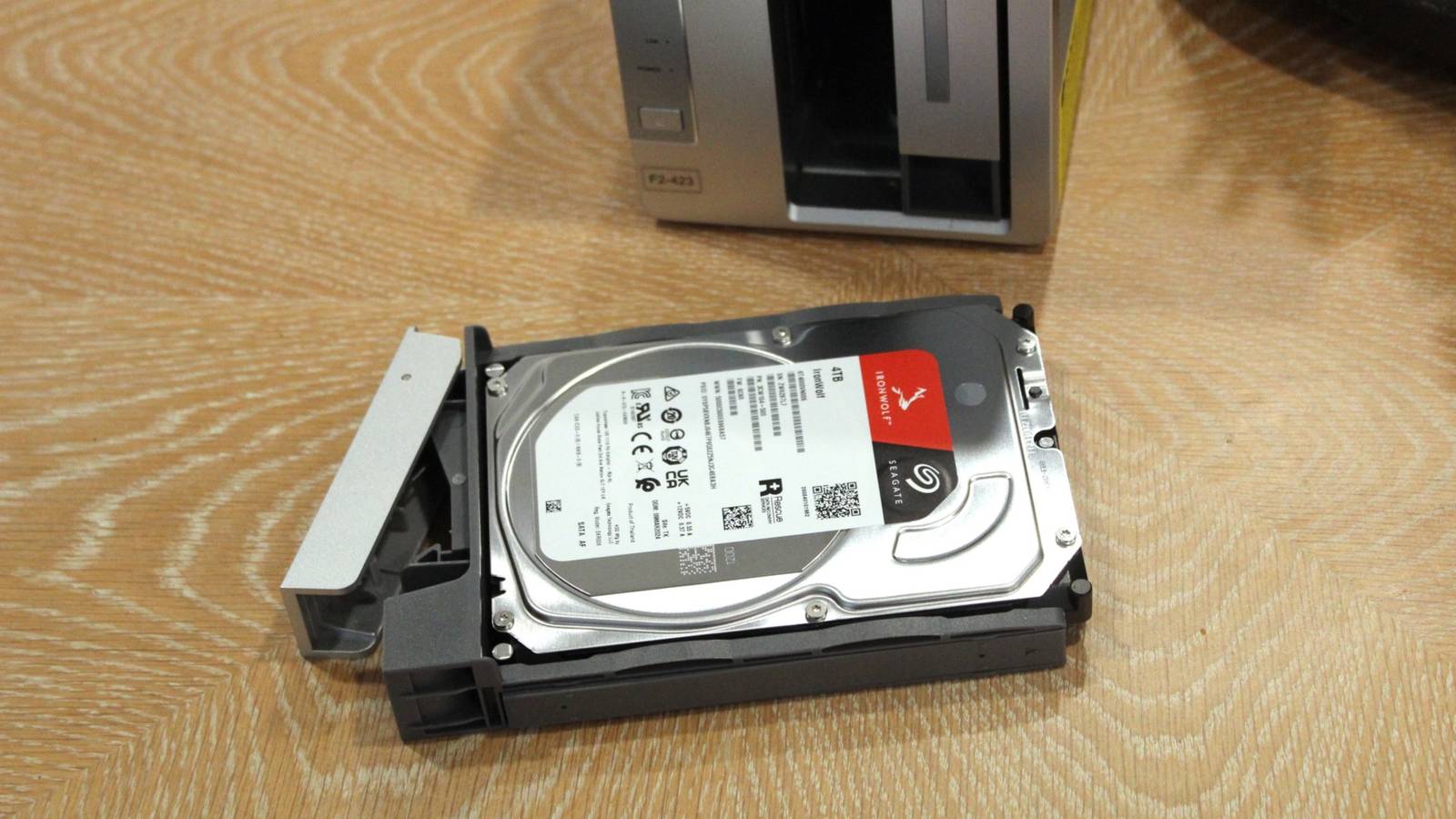
Redundancy feels like safety, until the wrong thing goes wrong
#
technology #
backups #
RAID #
selfhosting
 Like Us
 Support Hubzilla
